Türkçe
 العربية
 Русский
 فارسی
فارسی English
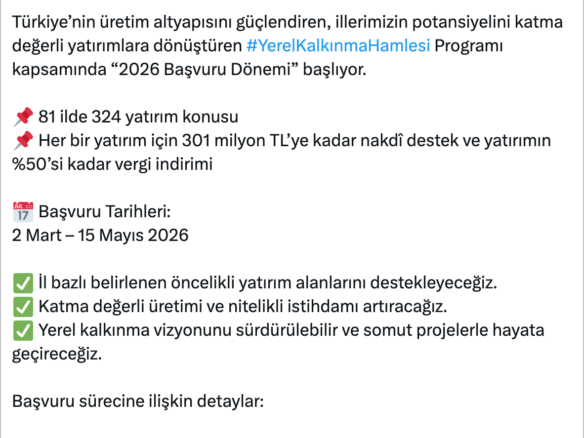
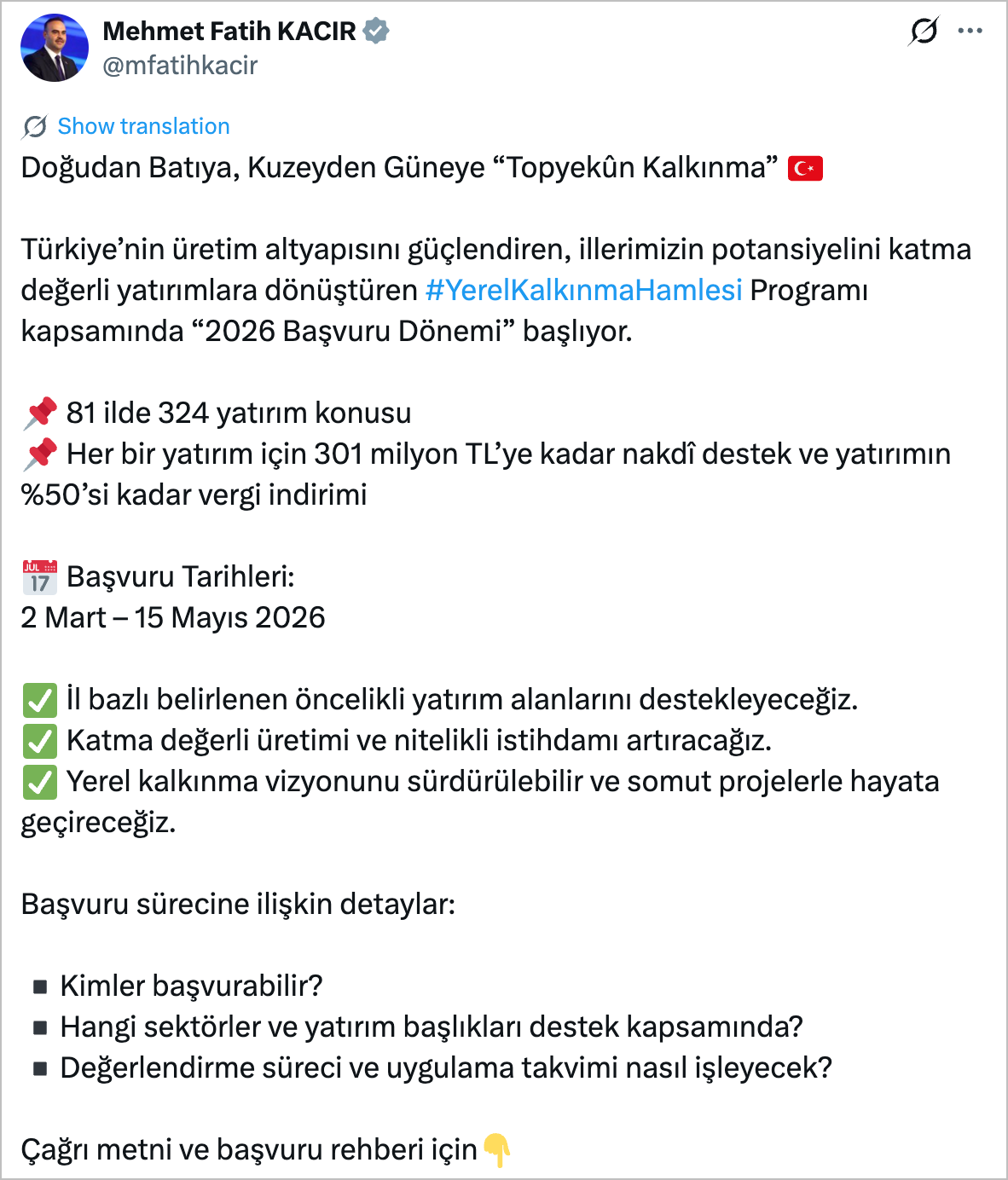
For the sophisticated investor who understands that true value often lies beyond the saturated markets of Istanbul and Ankara, the upcoming local development programs Turkey application process represents a vital strategic entry point for 2026. This focused government push, signaling a clear commitment to Turkey economic development, aims to decentralize capital flow through targeted subsidies and grants. If you’re looking to deploy capital efficiently and secure significant governmental alignment, positioning your venture within these subsidized sectors is non-negotiable.
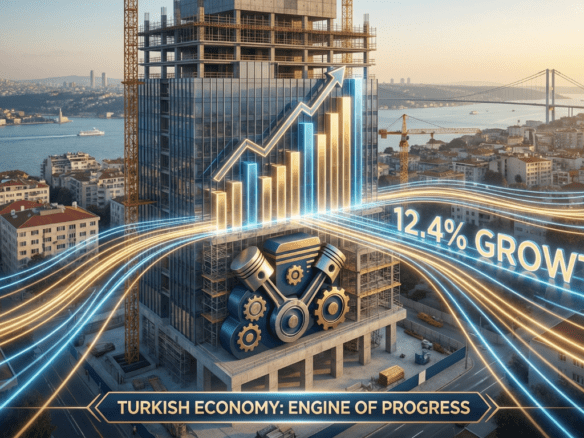
What does this mean for you, the HNW investor? It means that capital deployed in the right provincial sector may receive financial leverage that dwarfs returns available in traditional metropolitan real estate. You aren’t just buying land; you’re buying into a government-backed growth engine.
The core objective of Turkey’s 2026 Local Development Programs is to foster balanced growth by channeling investment toward specific, high-potential regional industries. For HNW investors, successful navigation of the local development programs Turkey application process requires aligning capital expenditure with priority sectors like green energy and high-tech agriculture, often yielding substantial subsidy matching funds and tax reductions.
Decoding the “Local Development Move” Strategy
The government’s strategic shift is moving away from broad-based stimulus toward specialized industrial clusters. Understanding the criteria underpinning the Turkey investment incentives 2026 is key to application success. The process isn’t merely bureaucratic; it’s a filter designed to attract serious, long-term capital aligned with national infrastructure goals. When preparing your application, remember that detail matters immensely, especially concerning the Required documentation for Turkish SME development grants 2026.
7 High-Growth Sectors Primed for 2026 Subsidies
We’ve analyzed the program mandates and identified seven specific areas where subsidy allocations and governmental support are projected to be highest. These sectors offer compelling non-metropolitan real estate opportunities tied directly to productive output:
1. Renewable Energy Infrastructure (Regional Grids)
This is a national imperative. Investment here—solar farms in the Southeast, wind capacity in the Aegean—benefits from production incentives and guaranteed grid purchase agreements. This is stability married to high growth.
2. Specialized Agri-Tech and Controlled Environment Farming
Turkey’s agricultural capacity is vast, but modernization is necessary. Subsidies target investments in vertical farms, smart irrigation, and food processing facilities that increase export value, particularly in provinces known for high water stress.
3. Light Manufacturing & Automotive Component Production
Focus is on Anatolian cities that can serve as lower-cost alternatives to established industrial zones. Securing land and factory setup in these areas often unlocks construction cost offsets.
4. High-Value Tourism Niche Development
Beyond standard hotels, incentives favor unique experiences: thermal health resorts, eco-tourism lodges, and heritage restoration projects in underdeveloped provinces. This requires a luxury service mindset applied regionally.
5. Digital Services and Data Centers
To support Turkey economic development globally, infrastructure supporting data residency and high-speed connectivity outside major tech hubs receives favorable zoning and energy tariffs.
6. Sustainable Textile and Technical Fabric Production
Moving up the value chain from basic textile exports, the program rewards facilities producing technical textiles for medical or industrial use.
7. Logistics Hubs Serving Eastern Corridors
Investments in warehousing, cold-chain storage, and intermodal transport facilities near key border crossings or emerging trade routes are heavily favored to enhance national supply chain resilience.
Analyzing Regional Financial Leverage (Visual Data)
To effectively position your strategy, you must understand the potential uplift provided by these incentives versus standard market entry. The data below provides a comparative view of subsidy impact versus baseline investment risk.
| Sector | Est. Subsidy Match Rate | Avg. Land Acquisition Cost (Relative) |
|---|---|---|
| Renewable Energy | Up to 45% | Medium-Low |
| Agri-Tech | Up to 55% | Low |
| Light Manufacturing | 30% – 40% | Medium |
Incentive matching rates are estimates based on preliminary program outlines and regulatory guidance. Source: Preliminary 2026 Program Directives.
Preparing Your Documentation Portfolio
The most common failure point in the local development programs Turkey application process is incomplete or incorrectly authenticated documentation. Since you are an international investor, you must treat the documentation requirements with expert precision. Your portfolio must clearly map capital source and intended impact to the subsidy category you select. For critical information on property acquisition itself, reviewing the necessary steps remains prudent; you can find a detailed overview in our guide on how to buy a home in Türkiye step-by-step guide, which often intersects with investment eligibility.
Economic Context and Ease of Doing Business
To bolster your application’s credibility, frame your proposed investment within Turkey’s broader commitment to attracting stable foreign capital. Independent assessments of the operating environment, while noting historical regulatory fluctuations, consistently highlight improvements in specific investment facilitation areas.
Indicator ranking comparison against OECD averages provided for contextual analysis. Source: [Doing Business Turkey Economic Snapshot](https://www.doingbusiness.org/en/countries/turkey).
Finalizing Your Investment Thesis
Success in securing development funds hinges on showing not just what you will build, but how that specific output directly addresses a gap in the provincial economy, thereby supporting overall Turkey economic development goals. Treat the application process as a high-stakes due diligence exercise, ensuring every required document aligns perfectly with the program’s stated intent. This disciplined approach is what separates casual inquiry from profitable, subsidized market entry.